Common problems with garden drainage Nunhead and gardeners fixes
Garden drainage problems can turn a tidy outdoor space into a muddy, frustrating mess far quicker than most people expect. In Nunhead, where gardens often deal with compacted soil, sloping plots, older surfaces, and plenty of rain, poor drainage can show up as puddles, sinking turf, or plants that never quite recover. This guide on Common problems with garden drainage Nunhead and gardeners fixes walks through the real causes, the signs to watch for, and the fixes gardeners usually recommend when a garden just will not dry out properly.
Whether you are dealing with a lawn that squelches underfoot, a patio that holds water after every shower, or borders that seem permanently waterlogged, there is usually a practical way forward. Some fixes are simple and cheap. Others need a more considered landscaping approach. Either way, the goal is the same: get water moving again and protect the garden from slow, sneaky damage.
Table of Contents
- Why drainage problems matter in Nunhead gardens
- How garden drainage works and where it goes wrong
- Key benefits of fixing drainage properly
- Who needs drainage help and when it makes sense
- Step-by-step guidance to diagnose and improve drainage
- Expert tips for better results
- Common mistakes to avoid
- Tools, resources and recommendations
- Law, compliance, standards and best practice
- Options, methods and comparison table
- Case study or real-world example
- Practical checklist
- Conclusion
- Frequently asked questions
Why Common problems with garden drainage Nunhead and gardeners fixes Matters
Drainage is one of those garden issues that often hides in plain sight. At first, you may only notice a damp patch near the back fence or a lawn that feels soft after rain. Then the signs spread. The grass thins out, moss takes over, edging starts to sink, and the garden becomes harder to use for months at a time. In a place like Nunhead, that matters because a lot of gardens are used closely and regularly, not just looked at from a window.
Poor drainage does more than spoil the look of a garden. It can weaken roots, invite fungal problems, compact soil further, and make paths or patios unsafe underfoot. If water has nowhere to go, it sits. Simple as that. And once standing water becomes a habit, the whole garden starts working against you instead of for you.
Another reason it matters is timing. Small drainage issues are often manageable with basic garden maintenance. Leave them too long, though, and you may end up needing heavier landscaping work, better soil preparation, or drainage channels added later. That usually costs more and interrupts the garden for longer. A little attention early on saves a lot of bother. Honestly, it is one of those jobs that rewards acting before it becomes dramatic.
For homeowners thinking about wider improvements, drainage should be considered alongside landscaping, lawn care, and even surface cleaning such as patio cleaning. Everything in a garden tends to affect something else. Water never really stays in one corner, does it?
How Common problems with garden drainage Nunhead and gardeners fixes Works
Garden drainage is really just the movement of excess water away from areas where it causes damage or discomfort. In a healthy garden, rainwater soaks into the soil at a reasonable pace, runs off hard surfaces safely, or is directed into a suitable soakaway or drain. Trouble starts when the soil is too compacted, the surface is uneven, roots or rubble block flow, or a patio or path has been laid without enough fall.
In practical terms, drainage issues in Nunhead gardens usually come from one or more of these causes:
- Heavy or compacted soil that holds water for too long.
- Poor ground levels that let water collect in dips.
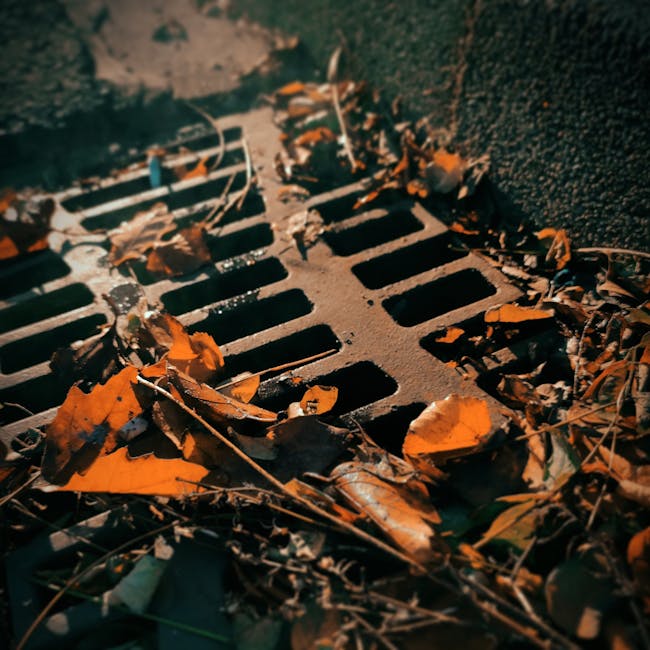
- Blocked outlets around gullies, grates, or narrow run-off routes.
- Hard landscaping without fall, so water sits instead of shedding away.
- Large shrubs or trees altering soil structure and blocking access for maintenance.
- Overgrown borders and clutter that stop inspection and airflow.
A gardener usually starts by working out whether the problem is superficial or structural. If water is collecting because of leaf litter, compacted mulch, or blocked channels, the fix may be tidy-up work and better maintenance. If the soil profile itself is holding too much water, the remedy may need to be deeper: soil aeration, sand and organic matter balance, regrading, or installation of a drainage solution.
The best fix depends on what the water is doing. Is it pooling on the surface? Sitting in the lawn? Seeping toward the house? Hanging around at the base of a fence? Each pattern tells a different story. That is why a quick visual check is useful, but not enough on its own.
Key Benefits and Practical Advantages
Fixing drainage properly gives you more than a drier garden. It makes the whole space feel easier to use and easier to look after. That sounds a bit obvious, maybe, but it makes a real difference once you live with it day to day.
- Healthier planting because roots can access air as well as moisture.
- Better lawn quality, with less moss, less squelch, and fewer bare patches.
- Safer paths and patios that do not stay slippery after rain.
- Less soil erosion and reduced movement around borders and edging.
- Lower maintenance pressure, because you are not constantly trying to rescue waterlogged areas.
- Longer life for surfaces such as paving, sleepers, timber edging, and decking.
There is also a quieter benefit that people often notice only later: the garden feels calmer. You can walk across the lawn without leaving prints. You can prune, mow, weed, or sit outside without fighting damp at every turn. Small thing, big mood shift. A garden should feel like a place you can use, not a place you dodge.
If your drainage trouble is linked to neglected growth, it may be worth pairing improvements with garden maintenance or garden clearance so the fix is not hidden by overgrowth again a few weeks later.
Who This Is For and When It Makes Sense
This topic is relevant if you have any of the following:
- a lawn that remains wet long after rain has stopped
- mud tracking onto paths, steps, or into the house
- patches of standing water near fences, sheds, or borders
- water running toward a patio rather than away from it
- plants that yellow, rot, or fail despite sensible care
- soil that feels sticky, heavy, or compressed underfoot
It also makes sense if you are planning broader garden work. Drainage should be checked before new turf, borders, paving, timber features, or structural changes go in. Laying new surfaces over poor drainage is a bit like putting a nice coat on a wet dog. It can look fine for a moment, but the underlying issue is still there.
For people with sloping plots, older gardens, or mixed surfaces, drainage matters even more. Some gardens in Nunhead have a compact footprint, with fences, side access, and different levels all close together. That means water has fewer natural escape routes, so design and upkeep need to be a little smarter.
Step-by-Step Guidance
If you want to tackle garden drainage in a sensible order, start with diagnosis. There is no point digging a trench if the real issue is a blocked gully or a lawn compacted by foot traffic.
1. Watch where the water sits
After a decent rainfall, look for the wettest areas. Take note of any low points, water lines, muddy patches, and places where water seems to flow from one section to another. Early morning after rain is often the best time to check, when evidence is still fresh.
2. Test the soil
Dig a small hole and see how quickly it drains. If it stays full for hours, the soil may be too dense or poorly structured. Clay-heavy or heavily trodden ground often needs help with aeration and organic improvement.
3. Clear debris and surface blockages
Leaves, moss, compacted mulch, and soil spill can all block the easy movement of water. Clean out channels, lift debris from edges, and make sure any obvious outlet is open. A surprising number of drainage problems begin with something simple and grubby, not some grand hidden fault.
4. Check the levels
If water pools against a path, patio, shed base, or fence, the surface may not have enough fall. Regrading the soil surface or correcting the finish around hard landscaping can often make a big difference.
5. Improve the soil structure
For lawns and borders, gardeners often improve drainage by aerating, adding suitable organic matter, and avoiding further compaction. This is especially useful if the garden feels dense and stubborn rather than simply blocked.
6. Consider a more directed drainage solution
If simple maintenance is not enough, a more engineered solution may be needed, such as French drain style gravel channels, soakaway planning, or redesigned planting areas that tolerate wetter conditions. Not every garden needs this level of intervention, but some do.
7. Match the fix to the surface
A lawn fix is not the same as a patio fix. A border fix is not the same as a fence-line fix. The solution should suit the area, the amount of water, and how the garden is used.
Where drainage problems are tied to overgrown access or root pressure, useful follow-up work can include hedge trimming or, in more serious cases, tree surgery. Roots can be helpful, but they can also make a mess of the underground picture. Nature does enjoy a bit of improvisation.
Expert Tips for Better Results
There are a few practical habits that make drainage fixes more reliable. Nothing flashy. Just the sort of things experienced gardeners tend to do without making a song and dance about it.
- Think in layers. Surface cleaning, soil improvement, and structural drainage all work together.
- Do not over-dig too quickly. If you remove too much at once, you can create new dips and compaction points.
- Keep access clear. You need to be able to inspect the problem later, not bury it under shrubs or edging.
- Use planting strategically. Some plants cope with damp better than others, so border choice can support the drainage plan.
- Plan for regular upkeep. A drainage fix left to silt up or clog will quietly fail over time.
- Think about where water ends up. Moving water away from one area but dumping it into another is not really a fix.
In our experience, the best results usually come from small, sensible improvements made in the right order. A little aeration here, a modest level correction there, then a check a few weeks later. It does not always need to be dramatic.
Expert summary: the most reliable drainage solution is rarely the most complicated one. It is the one that suits the garden's soil, slope, and surface use, then gets maintained properly afterwards.
Common Mistakes to Avoid
Drainage work can go wrong in fairly ordinary ways. That is the annoying part. The problem is often simple, but the mistake can still make it worse.
- Covering the issue with more soil without fixing the water flow underneath.
- Installing new turf too early on badly drained ground.
- Ignoring compacted access routes where foot traffic keeps packing the soil down.
- Cleaning only the visible area and leaving hidden outlets clogged.
- Using the wrong material mix in borders or lawn repair zones.
- Letting roots, rubble, or old construction debris stay buried in the problem zone.
- Forgetting future maintenance, which is how many decent fixes slowly become old problems again.
A common one is treating every wet patch as if it were identical. It is not. A puddle on a patio usually has a different cause from a swampy border. And a damp corner near a shed might be about shade and low airflow as much as drainage. Context matters. A lot.
Tools, Resources and Recommendations
You do not need a van full of specialist kit to assess a drainage issue, but a few basic tools help enormously:
- a spade or border fork for small test holes
- a rake for debris and surface levelling
- a stiff broom for patios and paved edges
- a spirit level for checking falls on hard surfaces
- a hose or watering can for simple flow testing
- gloves and waterproof footwear, because wet soil gets everywhere
For more substantial work, gardeners may recommend soil improvers, gravel, drainage channels, edging corrections, or selective regrading. The right material depends on the garden, not the trend. A fashionable fix that does not fit the site is just expensive optimism.
It can also help to keep an eye on related work such as lawn mowing and decking services, because overgrown edges, trapped moisture, and poor airflow often sit together. Even a tidy deck can suffer if the water underneath has nowhere to go.
Law, Compliance, Standards and Best Practice
Drainage and garden works in the UK can touch on practical standards, property boundaries, and safe working methods. You do not usually need to turn a garden job into a legal project, but you do need to be sensible.
Best practice usually means:
- not directing water onto a neighbour's land in a way that creates nuisance
- keeping work safe around excavation, hidden services, and slippery surfaces
- avoiding poor runoff toward buildings, basements, or boundary structures
- using appropriate materials and fixing levels carefully
- disposing of waste responsibly after clearance or regrading
For anything that involves deeper digging, major level changes, or work near trees, fences, or hard landscaping, careful planning matters. Good gardeners and landscapers will usually look at safety first, then structure, then finish. That order matters more than people think.
If you are comparing providers, it is fair to ask about insurance, site safety, and how they handle waste. Pages such as insurance and safety and health and safety policy can help you understand the sort of standards you should expect from a professional service. If you want to know more about service expectations, terms and conditions and recycling and sustainability are also sensible pages to check.
Options, Methods and Comparison Table
Different drainage fixes suit different garden problems. Here is a simple comparison to help you think it through.
| Method | Best for | Strengths | Limitations |
|---|---|---|---|
| Surface clearing and debris removal | Blocked run-off, leaf build-up, minor pooling | Quick, low cost, easy to maintain | Won't solve deeper soil or level issues |
| Soil aeration and improvement | Waterlogged lawns and compacted beds | Improves root health and soil structure | Needs repeat care and suitable soil conditions |
| Regrading and level correction | Low spots, poor falls, water near hard surfaces | Can permanently redirect water | More disruptive, needs care and skill |
| French drain or gravel channel | Persistent runoff in a fixed line | Highly effective for directed drainage | Requires space and proper installation |
| Planting redesign | Damp borders, tricky shaded corners | Works with the site rather than against it | Not a fast fix if the area is severely waterlogged |
If the issue is mainly your lawn, focus on aeration and soil structure first. If the water is sitting beside a path or patio, look harder at levels. If the same strip gets wet every winter, a more formal drainage solution may be the sensible route. No one-size-fits-all answer here, and frankly that is why a proper site look is so useful.
Case Study or Real-World Example
Picture a small Nunhead garden with a lawn, a side return, and a narrow border along the back fence. After heavy rain, the lawn holds water in the middle, the side path stays slick for days, and the border turns to paste every winter. The owner first assumes the lawn needs replacing. But after a closer look, the real issue is a mix of compacted soil, a shallow dip, and debris collecting against the fence line.
The gardener starts with clearance, then checks the levels. The border is holding moisture because airflow is poor and the soil is dense. The lawn is aerated, the low spot is improved, and the run-off line is kept clearer. In the wetter area, a more moisture-tolerant planting scheme is used so the border is not fighting the conditions all year.
Nothing magical happened. That is the point. The garden did not need a dramatic overhaul; it needed the right sequence of fixes. By the next spell of rain, water still appeared, of course. This is London. But it no longer lingered in the same stubborn places, and the garden became usable again without boots and sighing.
Practical Checklist
Use this quick checklist if you are deciding what to do next.
- Check where water sits after rain.
- Look for compacted soil, dips, or blocked edges.
- Inspect patios, paths, and fence lines for poor falls.
- Clear leaves, moss, soil spill, and debris.
- Test whether the lawn feels spongy or stays wet for days.
- Decide whether the issue is surface-level or structural.
- Match the fix to the affected area, not just the visible symptom.
- Plan follow-up maintenance so the problem does not creep back.
If more than one of those boxes is ticking, it is usually worth bringing in a gardener or landscaper with drainage experience. Trying to patch everything at once can be a bit of a rabbit hole.
Conclusion
Garden drainage problems in Nunhead are common enough, but they do not have to become permanent. The key is to identify whether the issue is coming from soil, slope, blockage, or surface design, then apply the fix that matches the cause. That might mean a simple tidy-up and aeration, or it might mean more considered landscaping and drainage work.
The best results usually come from practical thinking, not guesswork. Clear the cause, protect the surface, and keep an eye on the garden as the seasons change. Once the water is moving properly again, everything else becomes easier: the lawn, the borders, the patios, even the general mood of the place. And that really does matter.
Get a free quote today and see how much you can save.
If you are ready to sort out stubborn waterlogging, standing water, or a lawn that never seems to dry, take the next step with gardening services that can assess the problem properly and recommend a fix that suits your garden, not someone else's. A well-drained garden is simply nicer to live with. Simple as that.
Frequently Asked Questions
Why does my garden stay soggy after rain?
The most common reasons are compacted soil, poor levels, blocked run-off routes, or a surface that was never graded correctly. In Nunhead gardens, a mix of older ground conditions and heavy rainfall can make the issue more noticeable. A proper check should start with where the water gathers and how long it stays there.
Can gardeners fix drainage without digging up the whole garden?
Sometimes, yes. Surface clearing, aeration, levelling small dips, and improving soil structure can make a good difference. If the issue is deeper or linked to the layout of the garden, then some digging or regrading may be needed. It depends on the cause, not just the symptom.
How do I know if the problem is the lawn or the soil underneath?
If the lawn is wet because the soil beneath is dense and slow to drain, the turf is only part of the issue. You may notice puddles, moss, or roots sitting in wet ground. A small test hole after rain is a simple way to see whether water is escaping properly.
What is the quickest fix for standing water in a garden?
The quickest wins are usually clearing debris, checking for blocked edges, and improving surface flow. If a low spot is collecting water, that may also need levelling. Quick fixes are useful, but they do not always solve a deeper drainage problem.
Will adding more soil help a wet garden?
Not on its own. Adding soil can sometimes make drainage worse if it creates a new layer that traps water underneath. The better approach is to understand why the area is wet before changing levels. A fix should help water move, not simply hide it.
Should I replace my lawn if it keeps flooding?
Not necessarily. If the root cause is poor drainage, new turf may fail in exactly the same way. Aeration, soil improvement, and level correction are often worth trying first. Replacing the lawn before fixing the drainage is a bit like repainting a wall with a leak behind it.
Can tree roots cause drainage issues?
Yes, they can. Roots may alter the soil structure, take up space, and make maintenance harder. They can also affect nearby surfaces and borders. If you suspect roots are involved, tree work may need to be considered carefully.
Are drainage problems worse on patios and paved areas?
They can be. Hard surfaces show poor falls very clearly because water has nowhere to soak in. If a patio does not slope away correctly, puddles can form quickly. Surface cleaning helps, but level and run-off design are often the real issue.
How often should drainage areas be checked?
At least after heavy rain, and again during wetter seasons. It is also sensible to check after leaf fall and after any major garden work. Drainage systems and channels can quietly clog up if nobody looks at them for months.
Do I need professional help for a drainage issue?
If the problem is small and clearly caused by debris or shallow compaction, you may be able to handle it. If water is pooling repeatedly, affecting multiple areas, or moving toward buildings or boundaries, professional help is usually the safer and smarter option.
How does garden maintenance help with drainage?
Regular maintenance keeps leaves, moss, weeds, and silt from blocking the flow of water. It also helps you spot trouble early, before the problem spreads. Services such as garden maintenance can be a practical part of keeping drainage under control.
What should I ask a gardener before booking drainage work?
Ask how they will diagnose the cause, whether they expect a surface or structural fix, how they handle waste, and whether the work will affect nearby features like paths, fences, or planting. If needed, you can also review pricing and quotes before deciding. A clear answer early on saves hassle later.