Lawn Care in Nunhead: Practical, Professional, and Seasonally Smart Turf Maintenance
Keeping a garden looking its best in Nunhead takes more than the occasional mow. With a mix of compact urban plots, family gardens, shaded spaces, and busy front lawns, lawn care in Nunhead needs a thoughtful approach that suits local conditions. Whether your grass is struggling with patchy growth, moss, weeds, or uneven wear, the right routine can make a dramatic difference.
Nunhead lawns often face the same challenges seen across south-east London: limited sunlight, compacted soil, foot traffic, and seasonal shifts in moisture. Add in the realities of modern life—busy schedules, changing weather, and mixed-use outdoor spaces—and it becomes clear why Nunhead lawn care is best treated as an ongoing process rather than a one-off task. A healthy lawn is not just about appearance; it also improves drainage, supports biodiversity, and creates a more enjoyable outdoor space for relaxing, playing, and entertaining.
If you are aiming for a greener, thicker, more resilient lawn, it helps to understand the fundamentals. From mowing and feeding to scarifying, aeration, and overseeding, every action plays a role. In this article, we explore the most effective approaches to lawn care in Nunhead so that your garden can thrive through every season.
Why Lawn Care in Nunhead Requires a Local Approach

Not every lawn behaves the same way, and that is especially true in Nunhead. Local gardens vary from shaded terraces to open family spaces, and each lawn responds differently to weather, soil type, and use. A lawn that performs well in full sun will not necessarily do well in a narrow, shaded garden surrounded by trees or buildings. That is why lawn care Nunhead services and homeowner routines should reflect local conditions rather than relying on generic advice.
One of the biggest factors affecting Nunhead lawn care is light. Many gardens in the area receive partial shade for much of the day, which slows grass growth and can encourage moss. Soil compaction is another common issue, particularly in lawns that are used frequently by children, pets, or garden furniture. Over time, compacted soil restricts air and water movement, making it harder for roots to grow deeply.
Humidity, rainfall, and seasonal temperature swings also influence how lawns behave throughout the year. In wetter periods, poor drainage can leave lawns soft and vulnerable to disease. In summer, dry spells can cause browning and stress. A smart lawn care in Nunhead plan takes all of this into account and adjusts treatments at the right time.
Common Lawn Challenges in Nunhead Gardens
- Shaded areas that reduce strong grass growth
- Moss and thatch build-up in damp conditions
- Compacted soil from regular foot traffic
- Patchy turf caused by pet damage or wear
- Weed growth in weak or thin lawns
- Drainage problems in heavier soils
Core Lawn Care in Nunhead: The Essentials
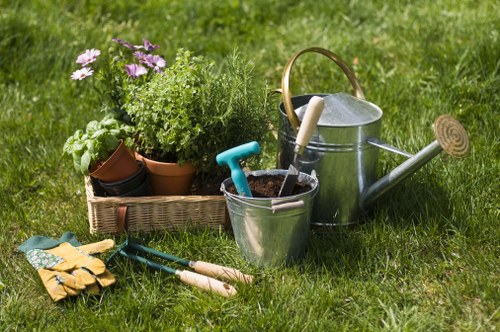
Every healthy lawn starts with a few basics. When these are done well, the turf becomes denser, more resilient, and easier to maintain. For homeowners seeking reliable lawn care in Nunhead, the following tasks form the backbone of a strong seasonal routine.
Mowing is the most visible part of lawn maintenance, but it is also one of the most important. Cutting too short can weaken grass and expose soil to weeds. Cutting too infrequently can lead to an untidy lawn and stress the turf. For most gardens, regular mowing during active growth encourages a thicker sward and a more even finish. Keeping blades sharp is equally important because blunt blades tear grass rather than cleanly cut it.
Watering is another key factor. Many lawns in Nunhead do not need constant watering, but young lawns, newly overseeded areas, and grass during dry periods may benefit from deep, less frequent watering. This encourages deeper root growth and improves drought tolerance. Overwatering, on the other hand, can lead to shallow roots and fungal issues.
Feeding supports growth by replenishing nutrients. A balanced fertiliser can help your lawn recover from wear, green up more evenly, and develop stronger roots. Timing matters: feeding at the right point in the year is more effective than applying products at random. A professional Nunhead lawn care schedule usually matches fertilisation to spring, summer, or autumn needs.
Simple Maintenance Habits That Make a Big Difference
- Cut grass regularly, but avoid removing too much at once.
- Water deeply during dry spells rather than lightly every day.
- Feed grass according to the season and soil condition.
- Remove leaves and debris before they smother the turf.
- Keep an eye on patchy or discoloured areas so problems can be addressed early.
Seasonal Lawn Care in Nunhead

Seasonal changes have a major impact on grass health. A lawn that looks excellent in May may struggle in August if it does not receive the right care. In Nunhead, where weather can shift quickly and local gardens vary in exposure, a seasonal approach is one of the best ways to keep turf in good condition.
Spring lawn care in Nunhead focuses on recovery. After winter, lawns may be tired, thin, and affected by moss or debris. This is the ideal time to rake out thatch, carry out light aeration, feed the turf, and overseed any bare patches. Spring is also a good moment to raise mowing frequency as growth resumes.
Summer lawn care is about balance. Grass should not be cut too short, especially during hot or dry periods. Keeping the lawn a little longer helps shade the soil and retain moisture. If watering is needed, do it early in the morning or later in the evening. Weeds can become more visible in summer, so it is wise to deal with them before they spread.
Autumn lawn care in Nunhead is one of the most valuable tasks of the year. As temperatures cool, the grass can still grow well, making it an excellent time for feeding, overseeding, and aeration. Autumn treatments help the lawn recover from summer stress and prepare for winter. This is also a good season to improve drainage and reduce thatch build-up.
Winter lawn care is mostly about protection. Avoid walking on frozen or waterlogged grass where possible, as this can cause lasting damage. Clear leaves regularly so the lawn can breathe. If the ground is too wet, hold off on heavy work until conditions improve. Good winter care keeps the lawn healthier for spring.
Seasonal Priorities at a Glance
- Spring: scarify lightly, feed, overseed, and resume regular mowing
- Summer: mow carefully, water if needed, and watch for stress
- Autumn: aerate, feed, overseed, and repair worn areas
- Winter: protect the turf from compaction and excess moisture
Improving Soil Health for Better Lawn Results

Strong turf depends on healthy soil. Even the best grass seed will struggle if the soil beneath it is poor, compacted, or low in nutrients. That is why effective lawn care in Nunhead often begins below the surface. Healthy soil improves drainage, encourages deeper roots, and supports vigorous grass growth.
Soil compaction is especially common in residential gardens. When foot traffic compresses the soil, air spaces shrink and roots have less room to expand. Aeration helps solve this by creating small channels that allow air, water, and nutrients to reach the root zone. This is often one of the most beneficial treatments for Nunhead lawn care, particularly in high-use areas.
Thatch is another issue worth addressing. Thatch is a layer of dead grass stems and organic matter that sits between the turf and the soil. A thin layer is normal, but too much can block water, encourage disease, and make mowing less effective. Scarifying removes excess thatch and opens the surface so the lawn can recover properly.
Soil testing can also be useful. Knowing whether the pH is too acidic or whether the lawn lacks certain nutrients makes it easier to choose the right treatment. Many lawns in London benefit from tailored feeding and soil improvement rather than a one-size-fits-all product. When soil health improves, the entire lawn becomes easier to manage.
Ways to Support Healthy Lawn Soil
- Aerate compacted ground at least once a year
- Scarify when thatch becomes thick and spongy
- Add suitable lawn feed to replenish nutrients
- Top dress with a soil-and-sand mix where appropriate
- Repair drainage issues before they damage the turf
Weed, Moss, and Patch Management in Nunhead Lawns

Few things disrupt the look of a lawn as quickly as weeds, moss, and bare patches. These problems are common in urban gardens, but they can be managed effectively with the right strategy. In fact, many of these issues are symptoms of a lawn that needs better care rather than a separate problem altogether.
Weeds often appear where grass is weak or thin. Dandelions, clover, and other common invaders can spread quickly if left unchecked. The most effective approach is to strengthen the lawn first. Dense grass naturally limits weed establishment by leaving fewer spaces for weeds to germinate. Spot treatment may also be useful where appropriate, especially for stubborn patches.
Moss thrives in shade, moisture, and compacted soil. In Nunhead, these conditions are not unusual. Removing moss without addressing the cause usually leads to repeated problems, so it is better to improve drainage, reduce compaction, and raise light levels where possible. Feeding the lawn and mowing at the correct height can also help grass become more competitive.
Patch repair is essential where the turf has been worn down by pets, play, or garden activity. Overseeding is often the quickest way to improve these areas. Choose a seed mix suited to the amount of sun and foot traffic in your garden. Keep the repaired area moist until the new grass is established, and avoid heavy use during recovery.
Best Practices for Repairing a Damaged Lawn
- Remove dead material and loosen the surface.
- Apply seed evenly over the bare area.
- Lightly rake in the seed for good soil contact.
- Water carefully to keep the area consistently moist.
- Avoid walking on the repair until growth is established.
Choosing the Right Lawn Care Routine for Your Nunhead Garden
There is no single routine that suits every lawn. A shaded courtyard garden, a front lawn exposed to street traffic, and a larger family lawn all need slightly different care. The best lawn care in Nunhead starts with observing how your garden behaves over time and responding accordingly.
If your lawn gets plenty of use, focus on durability. That means regular feeding, sensible mowing, and periodic aeration to support recovery from wear. If your garden is shaded, choose grass seed and care methods that support slower growth and reduce moss. If the lawn is mainly decorative, presentation may matter more, so a consistent mowing pattern and sharp definition around edges can make a major visual impact.
It can also help to think about your goals. Some homeowners want a lush, ornamental finish; others want a family-friendly surface that can handle games and pets; others are simply aiming for something neat, tidy, and manageable. Good Nunhead lawn care should reflect those priorities while still supporting healthy grass.
- For busy family lawns: prioritise durability, recovery, and low-maintenance upkeep
- For shady lawns: focus on moss control, drainage, and suitable seed selection
- For ornamental lawns: emphasise presentation, edging, and even growth
- For small gardens: use efficient routines that keep the lawn tidy without overworking it
Professional support can be especially useful when the lawn needs more than a basic mow. A skilled team can assess the grass, soil, drainage, and wear patterns before recommending treatments that suit the space. This can save time, reduce wasted effort, and lead to more reliable long-term results.
Why Professional Lawn Care in Nunhead Can Be Worth It
DIY lawn maintenance is perfectly manageable for many homeowners, but there are times when professional help makes all the difference. If your lawn is patchy, mossy, compacted, or simply not responding to routine care, a trained eye can identify the root cause more quickly. Professional lawn care in Nunhead is not only about convenience; it is also about precision.
Experts can carry out treatments at the correct time, use suitable products, and apply techniques that are difficult to replicate without specialist equipment. Aeration machines, scarifiers, and spreaders can produce far better results than light hand tools alone. More importantly, a structured service plan often prevents problems from returning.
For many households, the biggest advantage is consistency. Life gets busy, and lawns can quickly fall behind if maintenance is irregular. With professional Nunhead lawn care, the garden stays on track throughout the year. That means fewer missed treatments, better seasonal timing, and a more attractive lawn overall.
Book your service now if you want a lawn that looks healthier, feels better underfoot, and stays easier to manage through every season. Contact us today to take the next step toward a cleaner, greener garden space.
Benefits of Regular Professional Care
- Improved turf density and colour
- Better control of weeds and moss
- Healthier soil structure and drainage
- More effective seasonal treatments
- Reduced stress and less maintenance for homeowners
Long-Term Lawn Success in Nunhead
A truly good lawn is built over time. The most attractive gardens are usually the result of consistent care, patient improvements, and treatments that match local conditions. When you treat lawn care in Nunhead as an ongoing investment, the results become easier to sustain year after year.
Long-term success comes from combining the basics with seasonal timing. Mowing, feeding, watering, and clearing debris all matter, but so do aeration, scarifying, overseeding, and soil improvement. Each task supports the others. A lawn with healthier soil is easier to mow. A denser lawn is better at resisting weeds. A well-fed lawn recovers more quickly from wear and weather.
Just as important is flexibility. Gardens change. Trees grow, sunlight shifts, family routines evolve, and weather patterns vary. The most successful Nunhead lawn care plans adapt to those changes rather than staying rigid. If a lawn suddenly becomes shadier or more compacted, the maintenance approach should change too.
Key takeaways for lasting results:
- Focus on the cause of problems, not just the visible symptoms
- Use seasonal treatments to support recovery and growth
- Protect the soil as much as the grass
- Choose lawn care methods that match the garden’s use and layout
- Keep up with regular maintenance rather than waiting for major damage
With the right approach, even a tired or uneven lawn can be transformed into a healthier, more attractive outdoor feature. Whether you are dealing with shade, wear, moss, or patchy growth, there is usually a practical solution available. A greener lawn is within reach when every step is done with care and consistency.
If you are ready to improve your outdoor space, now is the perfect time to act. Contact us today and make lawn care in Nunhead a simple, effective part of maintaining a beautiful garden.