Emergency garden clearance Nunhead and gardeners delays to expect
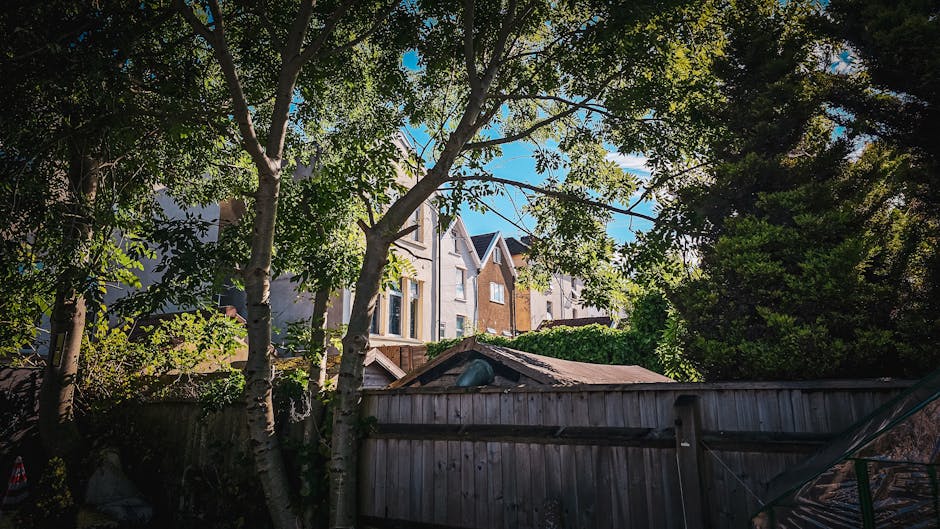
If your garden has become unsafe, overgrown, or suddenly unmanageable, you need clear answers fast. Emergency garden clearance in Nunhead is usually about restoring access, reducing risk, and removing debris before the problem gets worse. That might mean a fallen branch after a blowy night, a garden packed with brambles and waste, or a space that needs opening up before neighbours, tenants, or family can use it again. The awkward bit is this: urgent jobs still come with delays, and gardeners delays to expect can vary more than people think.
In this guide, you will find a practical breakdown of how emergency clearance works, what can hold it up, how to plan for same-day or next-day support, and how to avoid the sort of mistakes that make a stressful job even more stressful. We will keep it grounded, local, and realistic. Because truth be told, emergency work is rarely as instant as people hope, especially when access, weather, waste removal, and safety are all in the mix.
- Why it matters
- How it works
- Key benefits and practical advantages
- Who needs this and when it makes sense
- Step-by-step guidance
- Expert tips for better results
- Common mistakes to avoid
- Tools, resources and recommendations
- Law, compliance, standards, or best practice
- Options, methods, or comparison table
- Case study or real-world example
- Practical checklist
- Conclusion
- Frequently asked questions
Why Emergency garden clearance Nunhead and gardeners delays to expect Matters
Emergency garden clearance matters because a messy garden is not just an eyesore. It can become a trip hazard, block drains, attract vermin, hide broken glass or metal, and make it difficult to move around safely. In a dense London setting like Nunhead, that can affect not only one property but also shared boundaries, alleyways, and access routes. A quick clearance can be the difference between a garden that feels like a burden and one that feels usable again.
The delays part matters just as much. If you are expecting a gardener to appear immediately and finish everything in one clean sweep, you may be disappointed. Same-day urgency is possible in some cases, but it depends on crew availability, the scale of the overgrowth, and whether waste can be removed on the spot. A lot of people underestimate how much time is spent on sorting, loading, carrying, and disposing of material. That's the bit you do not really see from the window.
There is also a safety angle. Emergency clearances often involve hidden hazards: rotten timber, unstable fencing, sharp tools left in undergrowth, or branches under tension. A rushed job without the right preparation can create more problems than it solves. That is why a sensible provider will usually assess first, then work through the clearance in stages rather than charging in head-first.
For more general garden upkeep after the urgent mess has been dealt with, it helps to have a longer-term plan in place. Services such as garden maintenance and lawn care are the kind of follow-up support that stop the same issue returning three weeks later. Not glamorous, but effective.
How Emergency garden clearance Nunhead and gardeners delays to expect Works
Emergency clearance usually follows a simple pattern, though the timing can wobble a bit depending on conditions. First comes the initial enquiry, where you explain what is happening and how urgent it feels. Then comes a quick assessment, often based on photos, a phone call, or a brief site visit. After that, the team decides what equipment, people, and transport are needed.
If the issue is straightforward, such as bulky green waste, fallen clippings, or a garden that needs to be opened up for access, the team may be able to start quickly. If there is storm damage, unsafe trees, contaminated waste, or serious boundary issues, the job may need more planning. That is where gardeners delays to expect usually start to show up. A garden that looks like a one-hour tidy can become a half-day clearance once the debris is properly sorted.
Most emergency jobs break down into four stages:
- Assessment: identifying hazards, access issues, and the likely volume of waste.
- Planning: deciding who attends, what tools are needed, and whether extra handling is required.
- Clearance: removing overgrowth, broken material, and loose waste safely.
- Finish and follow-up: making the space safe, tidy, and ready for the next visit.
The more access the crew has, the faster things tend to move. A side passage stacked with bins, a locked rear gate, or no parking nearby can add unnecessary delay. That sounds minor, but it really does matter. A van parked two streets away turns a quick job into a slow one.
If your garden has become severely overgrown rather than just untidy, a detailed reset may be closer to a neglected garden overhaul than a basic tidy-up. In that case, the useful starting point is often the guide to starting a neglected garden overhaul, because it explains the scale of work that can sit behind the word "clearance".
Key Benefits and Practical Advantages
The most obvious benefit is speed. Emergency clearance gets the site back under control before the mess spreads, becomes unsafe, or attracts complaints. That can be especially important if you are preparing a property for tenants, dealing with a post-storm garden, or trying to reopen access to a shed, patio, or rear entrance.
There is also a mental benefit that people underestimate. A cluttered, tangled outdoor space can feel oddly heavy. Once it is cleared, the whole property seems easier to manage. You notice the light again. You can hear yourself think. Slightly dramatic, perhaps, but many homeowners say the same thing after an urgent clearance.
Other practical advantages include:
- safer walkways and working areas
- reduced fire and trip risk
- better access for follow-on works such as fencing or landscaping
- clearer boundaries and sightlines
- less chance of pests nesting in hidden areas
- easier inspections for landlords or managing agents
There is a knock-on effect too. Once clearance is done, it becomes easier to upgrade the space into something low-maintenance or more resilient. A cleared garden is a blanker canvas, and that opens up sensible next steps such as landscaping, fencing, or even making the space more usable with patio cleaning if hard surfaces have been hidden under debris for months.
One practical benefit that often gets missed: a proper clearance helps the gardener work safely the second time round. Hidden rubble, awkward roots, and broken tools are much easier to deal with after the surface layer is removed. It sounds obvious. Yet people still ask for pruning before the rubbish is gone.
Who This Is For and When It Makes Sense
Emergency garden clearance is not only for huge, dramatic messes. It makes sense for anyone whose outdoor space has become unsafe, inaccessible, or simply too much to tackle alone. That includes homeowners, landlords, tenants, property managers, and families trying to regain control after bad weather or a long period of neglect.
You may need it if:
- branches, leaves, or debris have come down after strong wind
- hedges or shrubs have become tangled and are blocking pathways
- weeds and brambles have taken over beds and borders
- fly-tipped garden waste has appeared
- you need to make a garden safe for children or pets quickly
- a rental property needs to be made presentable between tenancies
- access to doors, sheds, or bins has been lost
For dog owners, the issue can be more immediate than it first looks. Broken branches, hidden debris, and toxic plants are all awkward in a hurry. If you are trying to keep things safe while a clearance is underway, the advice in gardening safely with your canine companion is worth a read.
Families often need clearance before they can do anything else. A play area feels impossible if there are brambles at shin height and old timber near the fence line. In those cases, the question is not whether to clear, but how quickly you can make the space safe enough to use.
And to be fair, sometimes the job is simply emotionally easier to hand over. If the garden has been left for months and you do not know where to begin, that is exactly the sort of situation where a professional team earns its keep.
Step-by-Step Guidance
If you want the fastest and cleanest result, the best approach is to prepare properly before the gardeners arrive. A little organisation reduces delays more than people expect. Here is a sensible sequence to follow.
- Photograph the problem area. Clear photos help the gardener judge scale, access, and likely waste volume.
- Explain the urgency. Say whether the space is blocked, dangerous, storm-damaged, or simply overrun.
- Note access details. Mention side gates, locked entrances, parking restrictions, or shared passages.
- Identify any hazards. Broken glass, nails, sharp metal, steep slopes, or unstable structures should be flagged early.
- Move valuables and pets. Give the team a safer working environment and reduce interruptions.
- Confirm waste handling. Ask how green waste, timber, and mixed debris will be managed.
- Allow a little buffer time. Emergency work is faster when everyone understands that a surprise can still crop up.
During the visit, a decent team will normally work in a logical order: make safe, remove bulky waste, cut back the worst growth, then tidy and check access. If there is tree-related material involved, or branches that are large or unstable, a more specialised team may be needed. In those cases, tree surgery can be the better route than trying to force everything into a standard clearance slot.
After the main work, take a minute to walk the space with the gardener if that is possible. Ask what was removed, what remains risky, and what should be monitored over the next few weeks. That small conversation can save you a repeat emergency. A lot, actually.
Expert Tips for Better Results
In our experience, the best emergency clearances are the ones where the client gives concise, useful information upfront. Not a dramatic monologue. Just the facts. What is blocking, what happened, how quickly you need access, and whether there are any fragile surfaces or hidden hazards.
Here are a few practical tips that help avoid delays:
- Send photos in daylight. Dark, blurry images make it harder to judge the workload.
- Clear a path if you can do so safely. Even one metre of access can make a difference.
- Separate obvious waste if time allows. Green waste, timber, and general rubbish are faster to deal with when sorted.
- Be honest about the state of the garden. Understating the mess only delays the right response.
- Ask what is included. A clearance, a cut-back, and a tidy are not always the same thing.
Weather matters too. After heavy rain, everything gets heavier. Wet branches, soaked soil, and muddy access can slow a job down more than the customer expects. On windy days, the work may need to be handled in smaller stages for safety. If your garden is exposed, the advice in managing garden wind is a helpful companion piece.
A good habit after any emergency job is to add a simple follow-up plan. Even a basic monthly check can keep things under control. This is where general gardening services can make sense, especially if you want the cleared space to stay manageable rather than sliding back into chaos by autumn.
One more thing: if your garden has lots of tight corners, raised beds, or awkward levels, ask about the order in which the work will be done. Clearing the wrong section first can block access to the more difficult bit. It sounds like a tiny detail, but it is often the difference between a smooth visit and a faffy one.
Common Mistakes to Avoid
People make a few predictable mistakes when arranging urgent clearance. The biggest one is assuming the job will be quick because the garden "only looks messy". It might be messy, but if there are multiple layers of debris or hidden hazards, it is more work than it appears.
Other common mistakes include:
- not mentioning access issues until the team arrives
- failing to flag broken glass, nails, or unstable timber
- leaving pets or children in the working area
- expecting a clearance to include pruning, landscaping, and waste hauling without asking
- booking too late and then being surprised by waiting times
- ignoring the need for follow-up maintenance
Another quiet mistake is choosing the cheapest option without checking what is actually included. Emergency work often needs more labour, more disposal capacity, or more careful handling. If a quote seems unusually low, it may not include the full job. That is not always a red flag, but it is worth asking questions.
Also, do not treat clearance as a cure-all. If the garden has drainage issues, leaning fences, rotting timber, or repeated weed invasion, the clean-up is only the first step. Sometimes the real fix comes later, through fencing repairs, selective planting, or better ongoing lawn mowing to keep the area tidy.
Let's face it, a rushed job can look fine for a week and then unravel. The smart move is to clear once, then maintain properly.
Tools, Resources and Recommendations
Emergency clearance is faster and safer when the right kit is used. You do not need to know every brand or model, but it helps to understand the kinds of tools involved so you know why certain jobs take longer than others.
| Tool or resource | Typical use | Why it affects timing |
|---|---|---|
| Secateurs and loppers | Cutting smaller stems, brambles, and overgrowth | Speed depends on stem thickness and volume |
| Blower or rake | Gathering leaves and loose debris | Useful for finishing, but not enough for heavy waste |
| Heavy-duty sacks or tubs | Collecting green waste and smaller rubble | Needs more trips if the waste is wet or bulky |
| Wheelbarrow or trolley | Moving material through awkward access | Shared pathways and narrow gates slow the flow |
| Protective equipment | Gloves, boots, eye protection, and safety wear | Essential for safe work around hidden hazards |
If you want to understand the mindset behind good gardening kit, top gardening tools every enthusiast must own is a useful, plain-English read. It is not about emergency clearance specifically, but it helps explain why professionals value the right tools over brute force.
For longer-term ideas once the space is under control, you might also look at low-effort planting and structure. The articles on budget-friendly low-maintenance gardens, vertical gardening, and ground covers can help you avoid rebuilding a high-maintenance problem all over again.
If your goal is simply to get the space cleared and safe, though, keep the brief tight. The clearer the brief, the fewer delays. Simple as that.
Law, Compliance, Standards, or Best Practice
Garden clearance touches on a few common UK best-practice areas, especially waste handling and site safety. You do not need to become an expert in regulations just to book a gardener, but you do want reassurance that the work is being handled responsibly.
Good practice usually includes:
- safe handling of sharps, broken material, and unstable debris
- reasonable care around neighbours, shared access, and property boundaries
- proper segregation of garden waste where needed
- attention to manual handling and team safety
- clear communication about what will be removed and what stays on site
For clients, the practical takeaway is straightforward: ask how the job will be carried out and what happens to waste afterwards. A trustworthy provider should be comfortable explaining this in plain language. If they are vague, that is worth noticing.
Insurance also matters. Emergency clearance can involve lifting, cutting, and moving awkward materials, so it is sensible to use a provider that takes safety seriously. You can read more about this approach in the site's health and safety policy and insurance and safety information. If a business offers transparent terms and handles payment securely, that is another decent sign; see payment and security and the terms and conditions for the sort of details a careful customer should look for.
Best practice is not flashy. It is mostly about consistency, clarity, and not cutting corners when a garden is half-hidden and potentially awkward. That's the real standard.
Options, Methods, or Comparison Table
There is more than one way to deal with an urgent garden problem. The right choice depends on urgency, access, and how much material is involved. Sometimes a quick tidy is enough. Sometimes you need a full clearance. And sometimes a larger outdoor project is the smarter answer.
| Method | Best for | Typical delay risk | Notes |
|---|---|---|---|
| Urgent tidy-up | Light debris, visible clutter, access problems | Low to moderate | Fastest option if the problem is mostly surface-level |
| Emergency garden clearance | Unsafe, overgrown, or storm-affected gardens | Moderate | Needs more assessment and waste handling |
| Targeted specialist work | Large branches, hazardous trees, structural issues | Moderate to high | May need a separate visit or specialist team |
| Full restoration approach | Long-neglected or heavily damaged spaces | Higher | Often staged over more than one session |
There is no single best method for every garden. A small rear yard with stacked waste is a very different job from a boundary packed with brambles, self-seeded saplings, and rotten timber. The smart move is to match the method to the mess, not the other way round.
If the job is part of a bigger home-improvement plan, it can make sense to combine clearance with related work such as decking services, patio cleaning, or broader landscaping. But if the garden is genuinely urgent, get it safe first. Fancy finishes can wait.
Case Study or Real-World Example
Picture a typical Nunhead back garden after a windy spell in late autumn. One section has a fallen branch across the path, the hedge has grown wide enough to pinch the side access, and there is a mixed pile of cuttings, old pots, and damp leaves tucked behind a shed. The homeowner wants the area cleared before family visit at the weekend. Reasonable request. Also not especially simple.
On inspection, the crew spots that the fallen branch is resting under tension, so it has to be cut in stages. The access gate is narrow, which slows waste movement. The leaf litter is wet, making the sacks heavier than expected. Nothing dramatic, but each detail adds a little time. The original same-day expectation turns into a next-available slot with a longer working window. That is the kind of delay people often do not see coming.
In the end, the garden is made safe, the path is reopened, and the worst clutter is removed. The client then decides to book regular upkeep so the space does not drift back into the same state. Not a miracle, just good sequencing. And honestly, that is what most successful emergency clearances look like.
There was no need for over-the-top intervention. Just careful work, clear communication, and a realistic view of the delay. That combination usually wins.
Practical Checklist
Use this quick checklist before the team arrives. It helps reduce delays and keeps the job focused.
- Take clear photos of the problem area
- Describe what makes the job urgent
- Share access details and parking limitations
- Move pets, children, and valuables away from the work zone
- Point out hidden hazards such as glass, nails, or unstable timber
- Confirm whether waste removal is included
- Ask whether the work is a tidy, clearance, or specialist job
- Check whether follow-up maintenance will be needed
- Prepare for weather-related slowdowns if the garden is exposed
- Keep your phone handy in case the crew needs clarification
Expert summary: The fastest emergency clearance is the one with the clearest brief, the safest access, and the most realistic expectations. If those three things are in place, delays shrink fast.
For readers who want to avoid the same crisis later, it also helps to think about what the garden should become once it is cleared. A few durable planting choices, sensible boundaries, and easy maintenance routines can make a surprising difference. The site's advice on shade-loving evergreens, herb gardens, and container gardening may be useful if you are rebuilding after the mess is gone.
Conclusion
Emergency garden clearance in Nunhead is really about restoring control, safety, and access when a garden has tipped from manageable into urgent. The work can be quick, but it is not magic. Delays happen because gardens hide problems: tight access, heavy waste, wet conditions, hidden hazards, and jobs that are bigger than they first appear.
If you understand those delays to expect, you can plan better, ask the right questions, and avoid the usual frustration. That means less waiting, fewer surprises, and a result that actually lasts.
If your outdoor space is getting away from you, do the sensible thing: get it assessed, get it cleared, then put a maintenance plan in place so you are not back here again in six weeks. A calm garden is a lovely thing. A safe one even better.
Get a free quote today and see how much you can save.
Frequently Asked Questions
How fast can emergency garden clearance in Nunhead usually happen?
It can be same day or next day if the team is available and the job is straightforward, but access, waste volume, and safety concerns often affect timing.
What gardeners delays to expect for urgent clearance are most common?
The most common delays come from poor access, wet weather, hidden hazards, large amounts of waste, and jobs that turn out to be more complex than they first look.
Is emergency garden clearance the same as a general tidy-up?
No. A tidy-up usually deals with light maintenance and surface mess, while emergency clearance focuses on safety, access, and more serious overgrowth or debris.
Do I need to be home for the clearance visit?
Not always, but it helps if the team needs access, decisions on site, or guidance about what to remove. A quick handover is often the easiest option.
Will the gardeners take away all the waste?
Usually yes if waste removal is part of the job, but you should confirm this in advance because mixed waste, rubble, and special items may be handled differently.
What should I do before the gardeners arrive?
Take photos, clear access where you can, move pets away, and point out hazards such as broken glass, nails, or unstable structures. That saves time immediately.
Can emergency clearance include hedge cutting or tree work?
Sometimes, but larger or riskier work may need a separate specialist visit. If a tree is involved, tree surgery may be more appropriate.
How much does emergency clearance cost in Nunhead?
Costs vary depending on the size of the garden, waste volume, access, and whether specialist handling is needed. A proper quote is the safest way to understand the likely price.
What if the garden has been neglected for years?
Then the job may need to be staged rather than done in one visit. A neglected space often benefits from a full overhaul plan rather than a single clearance visit.
Is emergency garden clearance safe for children and pets?
Yes, once the area is properly managed and kept away from the work zone. During the job itself, pets and children should stay well clear.
What is the best follow-up after an emergency clearance?
Regular maintenance is the best follow-up. It keeps weeds down, prevents re-accumulation, and makes the garden far easier to live with day to day.
How do I choose a trustworthy provider?
Look for clear communication, sensible safety practices, transparent terms, and a willingness to explain what is included. If they answer questions plainly, that is usually a good sign.