Commercial garden maintenance for businesses near Nunhead station
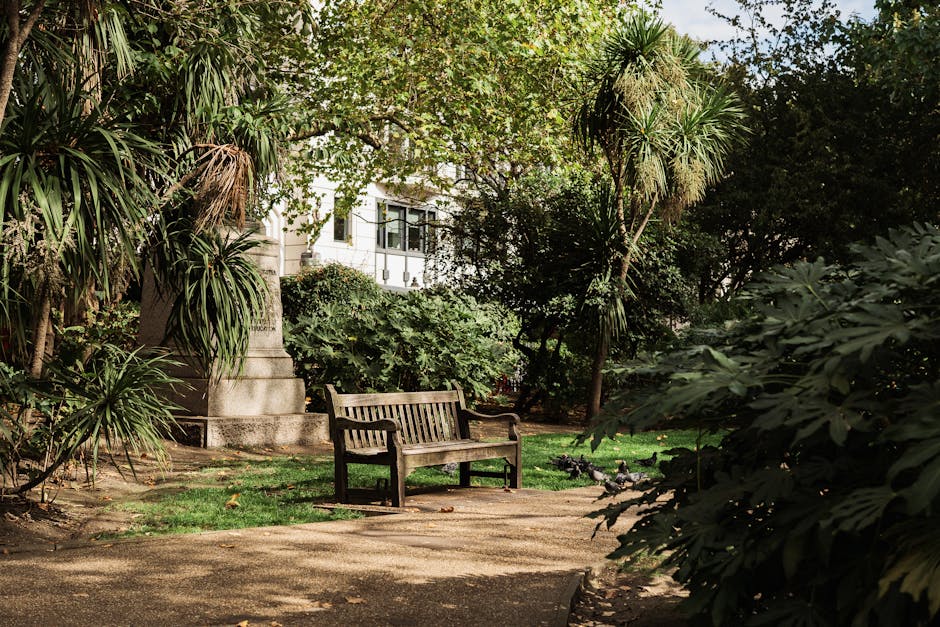
If you run a business near Nunhead station, you already know how quickly a front entrance, courtyard, or shared planting bed can slip from smart to scruffy. One windy week, a few weeds, some leaf build-up, maybe a tired-looking hedge, and suddenly the place feels less welcoming. Commercial garden maintenance for businesses near Nunhead station is about stopping that slide before it happens, while keeping your site safe, tidy, and presentable all year.
For shops, offices, hospitality venues, estate-managed buildings, schools, and healthcare premises, the outdoor space is part of the customer experience. It also affects staff morale, accessibility, and first impressions in a very real way. This guide breaks down what commercial garden maintenance involves, how it works, what to expect, and how to choose the right approach for your site. You will also find practical tips, a checklist, and a realistic example to help you make a sensible decision without overcomplicating it.
Why Commercial garden maintenance for businesses near Nunhead station Matters
Commercial outdoor areas are not just decoration. They are functional, visible, and often heavily used. Near Nunhead station, that matters even more because businesses tend to sit in a mix of commuter footfall, local traffic, and compact urban surroundings. Small details stand out here. A clipped hedge, swept paving, and healthy planting can make a place feel properly cared for. Neglected greenery can do the opposite, fast.
There is also a practical side. Overgrown edges can restrict walkways. Wet leaves can make steps slippery. Dying planting can create a tired look that quietly chips away at trust. You do not need a grand landscape to create impact, either. Often it is the simple, regular work that does the heavy lifting: mowing, pruning, edging, clearing litter, checking irrigation, and keeping weeds under control.
For many businesses, the garden or planted frontage is part of brand presentation. A cafe terrace, a clinic courtyard, a shared office entrance, a retail frontage, or a residential-managed property all benefit from predictable care. If you are also rethinking the wider outdoor experience, it can help to look at ideas for outdoor seating spaces and low-maintenance planting that do not demand constant attention.
Key takeaway: regular commercial garden upkeep is less about making a space look perfect every day and more about preventing small issues from becoming expensive, visible problems.
How Commercial garden maintenance for businesses near Nunhead station Works
In practice, commercial maintenance starts with a site assessment. That usually means looking at what is growing, what is failing, how the space is used, and which areas need the most attention. A good contractor should consider access points, public visibility, irrigation, seasonal planting, waste removal, and any health and safety concerns before suggesting a schedule.
From there, work is typically arranged as a planned routine rather than a one-off tidy-up. That might be weekly in the growing season, fortnightly for smaller plots, or monthly for sites that are mostly hard landscaping with a few beds or planters. Some businesses need a simple maintenance plan. Others need a more detailed schedule with hedge cutting, lawn care, pressure washing around edges, and periodic tree work.
To be fair, the best systems are usually the least dramatic ones. They quietly keep things in shape. That can include mowing, border weeding, deadheading, pruning, leaf clearance, grass edging, feeding where appropriate, and monitoring for pests or disease. If your site includes paving or decking alongside planting, services like patio cleaning or decking services may also be relevant, because the whole outdoor area tends to age as one visible unit.
In a more mature or neglected space, the first visit may involve a bigger reset. That can mean stripping back overgrowth, rebuilding beds, removing invasive weeds, and bringing shape back to hedges and shrubs. In those cases, a service like garden maintenance can be paired with a more focused landscaping approach if the site needs more than routine care.
Key Benefits and Practical Advantages
Good maintenance pays for itself in a few different ways. Some are obvious. Others are a bit quieter, but they matter just as much.
- Better first impressions: a neat entrance tells people the business pays attention to detail.
- Improved safety: clear paths, trimmed growth, and tidy surfaces reduce trip and slip risks.
- Lower long-term costs: small, regular tasks usually cost less than big restorative works.
- Healthier planting: consistent pruning, feeding, and weed control help plants last longer.
- More usable outdoor space: staff break areas, smoking zones, and customer seating feel more inviting.
- Less operational hassle: a planned service means fewer surprises and fewer last-minute scrambles.
There is also an emotional benefit, though people do not always say it out loud. A tidy, green outdoor area can make a workplace feel calmer and more human. On a grey Tuesday morning, that matters. A little bit of planting, a well-kept hedge, and some clean paving can soften the hard edges of a busy site. It sounds small. It is not small.
Businesses that want a more distinctive frontage sometimes use seasonal colour, planters, evergreen structure, or vertical planting. If that sounds familiar, a few related ideas may help, such as vertical gardening for tighter urban spaces or ground cover planting that suppresses weeds and fills awkward gaps.
Who This Is For and When It Makes Sense
This kind of service suits any organisation that has visible outdoor areas and wants them to stay presentable without tying up staff time. That includes:
- Independent retailers and shopfronts
- Cafes, pubs, and hospitality venues
- Offices and coworking spaces
- Property managers and letting agents
- Schools, nurseries, and care settings
- Clinics, salons, and other client-facing premises
- Business parks, mixed-use buildings, and communal courtyards
It makes particular sense when your business has one or more of these patterns:
- You rely on walk-in visibility.
- Your outdoor area sees heavy foot traffic.
- Staff are already stretched and cannot keep on top of gardening.
- The site includes hedges, lawn, planted borders, planters, or shared access routes.
- You want the outside of the building to reflect the quality of the inside.
There are also seasonal triggers. In spring and summer, growth can get away from you quickly. In autumn, leaf fall piles up like it has a grudge. After storms, plants can lean, soil can wash out, and debris can appear in all the wrong places. If your site is exposed to wind, you may find the guidance in managing garden wind useful. If winter damage is a concern, take a look at cold-weather plant care too.
Truth be told, a lot of businesses wait too long. They notice the problem only after the space starts affecting customer perception. That is usually the point where a maintenance plan stops being a nice-to-have and becomes a necessity.
Step-by-Step Guidance
If you are arranging commercial garden care for the first time, keep the process simple. Here is a practical way to approach it.
- Walk the site with fresh eyes. Look at the space as a visitor would. Where does it look tired? Where do leaves collect? Which areas are hard to access?
- List the real priorities. Not every part of the garden needs the same level of care. Separate safety issues, presentation issues, and long-term improvement goals.
- Decide how often work is needed. Some spaces need weekly attention; others do fine with monthly visits plus seasonal work.
- Identify special tasks. This may include hedge trimming, lawn care, tree work, fence repairs, or jet washing around paths and patios.
- Ask about waste removal and disposal. Green waste can build up quickly, especially after a cutback or a spring reset.
- Agree what "good" looks like. Be specific. A vague brief leads to vague results. Height, edge finish, weed tolerance, and access restrictions should all be clear.
- Review after the first few visits. A maintenance plan should evolve. If one area is always getting messy before the rest, it needs more attention, not more hoping.
A useful tip here: take photos before and after the first service. It is not about catching anyone out. It is about building a shared standard. A photo of a clean, trimmed, healthy frontage is a very handy thing when different people from different departments have opinions. And they will. They always do.
Expert Tips for Better Results
In our experience, the best commercial sites are the ones that make maintenance easy, not heroic. A few simple decisions can save time every month.
- Choose resilient planting. In high-traffic or partially shaded areas, use plants that can cope with imperfect conditions rather than delicate showpieces.
- Reduce awkward corners. Thin strips of soil and hidden edges attract weeds and become a nuisance. Simplify where you can.
- Mix structure with seasonal colour. Evergreen shrubs, grasses, and sturdy perennials keep the space looking full even when flowers are sparse.
- Keep access clear for maintenance teams. Locked gates, blocked taps, and cluttered storage areas slow everything down.
- Bundle related tasks. If a crew is already on site, it can be efficient to combine pruning, mowing, and clean-up rather than splitting them into separate visits.
- Watch for drainage issues. Standing water is often the root of repeated problems, especially around paving and borders.
One small but valuable habit: keep a simple seasonal notes file. Just a few lines is enough. When did the hedge last get cut? Which bed always gets shaded? Which section suffers after heavy rain? These details help a service stay responsive instead of generic. Small thing, big difference.
If you are choosing plants or layouts for a business site, it can also help to think in terms of maintenance effort. Ideas from shade-loving evergreens, efficient hedging for privacy, or even a container gardening approach can fit different site constraints without making life harder for the maintenance team.
Common Mistakes to Avoid
Commercial gardens go wrong in very predictable ways. The good news is that most of them are easy to avoid once you know what to look for.
- Leaving maintenance until it becomes urgent. A reactive approach nearly always costs more and looks worse.
- Using the same schedule all year. Growth is not constant. Neither are weather conditions.
- Ignoring hard landscaping. A neat lawn next to a dirty patio still looks unfinished.
- Choosing the wrong plants for the site. Sun, shade, wind, foot traffic, and watering all matter.
- Not defining boundaries. If the contractor and site manager have different ideas about what is included, friction creeps in.
- Underestimating hedge and tree work. These are often the tasks that suddenly become awkward, especially near access routes or signage.
Another frequent issue is overdesign. A business may want something lush and dramatic, but then nobody has time to care for it. The result? A stylish headache. Better to build a space that suits your actual operation. If the site needs a reset, the overview in starting a neglected garden overhaul can be a useful reference point, especially for bringing structure back in a sensible order.
And yes, weeds will find any shortcut you give them. They are frankly more determined than some people on a Monday morning.
Tools, Resources and Recommendations
A professional maintenance team usually brings its own kit, but it helps to understand the basics of what is involved. That makes quotations clearer and gives you a better feel for quality.
| Task | Typical tools or materials | Why it matters |
|---|---|---|
| Lawn care | Mower, edger, feed, scarifier where needed | Improves presentation and grass health |
| Hedge trimming | Hedge trimmers, loppers, safety equipment | Maintains shape, access, and visibility |
| Border maintenance | Hand tools, mulch, weed control materials | Controls weeds and keeps beds tidy |
| Hard surface cleaning | Pressure washing or patio cleaning equipment | Reduces grime, algae, and slip risk |
| Tree and shrub care | Pruning tools, saws, straps, protective kit | Supports structure and plant health |
If you manage a site with lawns, regular mowing is rarely optional for long. A tailored lawn mowing service can keep turf neat without tearing it up, while broader lawn care supports soil health, feeding, and recovery. For taller growth and boundary control, hedge trimming in Nunhead is especially useful when the frontage needs to stay neat and open.
For businesses that want a more rounded service package, it can be worth looking at general gardening services alongside specific support like tree surgery or fencing if the site has structural issues, damage, or boundary concerns. Sometimes the biggest improvement comes from fixing the thing everyone has been stepping around for months.
Law, Compliance, Standards, or Best Practice
Commercial garden maintenance is not only about appearance. It also sits alongside normal business duties around safety, access, and responsible site management. The exact requirements will depend on the property type and the work being done, so it is sensible to keep things practical and carefully documented.
For example, if maintenance work affects walkways, entrances, or communal routes, the site should be managed to reduce obvious hazards. That may mean signing off work areas, clearing debris promptly, and making sure access is not blocked. If tools, ladders, or powered equipment are used, safe working practice matters a great deal. For a better sense of how a provider approaches risk, it is worth reviewing their health and safety policy and insurance and safety information.
Good commercial practice also includes clear pricing terms, security around payments, and a transparent complaints route if something is not right. That might sound a bit administrative, but it is part of being professional. If you are comparing providers, the pages on pricing and quotes, payment and security, and complaints procedure can help you understand how a service is structured.
There is also the wider question of trust. A company that publishes clear policies, handles data responsibly, and explains how it works is usually easier to deal with. You may never need to read every policy word for word, and that is fine. But the presence of those documents is reassuring. It tells you the business has thought beyond the mow-and-go stage.
If you want to understand the team behind the service, the about us page can also be useful. It is a simple way to gauge whether the provider feels established, local, and straightforward to work with.
Options, Methods, or Comparison Table
Not every business needs the same maintenance model. Some only need recurring care. Others need a one-off overhaul followed by lighter ongoing support. The table below gives a quick, practical comparison.
| Approach | Best for | Pros | Watch-outs |
|---|---|---|---|
| Routine maintenance visit | Established sites with manageable planting | Predictable, tidy, easy to budget for | Needs consistent scheduling |
| Seasonal maintenance plan | Sites with stronger spring/summer growth or autumn leaf fall | Flexible and cost-conscious | Can leave gaps if site changes quickly |
| One-off clearance plus maintenance | Neglected or overgrown spaces | Resets the garden properly | Requires clear follow-up to avoid relapse |
| Maintenance plus improvements | Sites needing both care and upgrades | Can improve use, safety, and appearance together | More planning needed at the start |
For some businesses, the right answer is a mix. A one-time tidy-up to get the site back on track, then a lighter contract to keep it there. Simple, really. Not glamorous, but effective. If your outdoor area is also used by staff or visitors, design choices from safe outdoor space planning and child-friendly garden design can be surprisingly relevant, even in commercial settings where the aim is calm and order rather than play.
Case Study or Real-World Example
Imagine a small professional services office a short distance from Nunhead station. The building has a narrow front garden, a side strip with shrubs, and a rear staff break area with paving and a few large planters. Nothing dramatic. But after a few months of mixed weather, the hedge has lost its shape, weeds are peeking through the border, and the patio is starting to look tired.
The office manager does not need a full redesign. What they need is rhythm. The first visit clears the worst of the growth, cuts back the hedge, trims the edges, removes weeds, and tidies the hard surfaces. After that, the team switches to a regular schedule: lawn and border care in the growing season, leaf clearance in autumn, and targeted pruning where needed. A few planters are refreshed with tougher, lower-maintenance planting so the space stays interesting without becoming another maintenance burden.
Within a couple of months, the difference is not just visual. Staff use the rear area more often because it feels clean and intentional. Visitors notice the entrance before they even step inside. And the manager stops spending time chasing emergency fixes. That is usually how good maintenance works. Quietly. Consistently. No fuss, which is rather refreshing.
If a site like this had also been struggling with poor drainage around the paving, then a broader review could include improvements to surfaces, borders, or nearby fencing. Not every issue needs a flashy solution; sometimes it just needs the right small fix at the right time.
Practical Checklist
Use this checklist before you book or review a commercial garden maintenance plan.
- Do we know exactly which areas need attention?
- Have we separated safety issues from appearance issues?
- Do we need weekly, fortnightly, monthly, or seasonal visits?
- Are lawns, hedges, borders, trees, patios, and planters all included or only some of them?
- Have we asked how waste will be removed?
- Do we understand what happens in winter versus the growing season?
- Have we checked the provider's insurance and safety information?
- Are access arrangements clear for gates, keys, alarms, and parking?
- Have we agreed how to communicate changes or extra work?
- Do we know what result we want the space to achieve for customers, staff, or residents?
If you can tick most of those boxes, you are already ahead of many businesses. Really ahead. The rest is just good follow-through.
Get a free quote today and see how much you can save.
Conclusion
Commercial garden maintenance for businesses near Nunhead station is really about control, consistency, and credibility. It keeps entrances welcoming, outdoor spaces safer, and the whole site easier to manage. It also prevents the slow drift from neat to neglected, which happens more easily than people think in an urban setting.
The best maintenance plans are not overcomplicated. They match the site, the season, and the real demands of the business. That might mean regular mowing, hedge cutting, border care, patio cleaning, or more involved work like tree surgery or landscaping support. It may start with a simple tidy-up and grow into a proper maintenance rhythm. Either way, the goal is the same: a space that works well and reflects the quality of the business behind it.
And honestly, there is something quietly satisfying about that. A tidy hedge, a clean path, a healthy patch of green in the middle of the week. It helps more than people admit.
Frequently Asked Questions
What does commercial garden maintenance usually include?
It typically includes mowing, edging, hedge trimming, pruning, weed control, leaf clearance, border upkeep, and seasonal tidy-ups. Some sites also need patio cleaning, tree work, or minor landscape improvements.
How often should a business near Nunhead station book garden maintenance?
That depends on the site. Small, low-growth spaces may only need monthly visits, while busy or high-visibility premises often benefit from weekly or fortnightly care during the growing season.
Is commercial garden maintenance different from domestic gardening?
Yes. Commercial work usually needs more structure, better scheduling, clearer reporting, and stronger attention to safety, access, and presentation because more people use and see the space.
Can maintenance be combined with lawn and hedge care?
Absolutely. In many cases, combining lawn care with hedge trimming and general maintenance is the most efficient way to keep a site looking consistent.
What should I ask before choosing a maintenance provider?
Ask what is included, how often visits will happen, how waste is removed, how extra work is handled, and whether they have proper insurance and safety procedures in place.
Do businesses need a one-off clearance before starting regular maintenance?
Often, yes. If a site has been neglected, a first clearance visit helps reset the garden so ongoing maintenance can actually keep up with it. Otherwise, the team is playing catch-up from day one.
Can commercial maintenance help with customer safety?
Yes. Clearing leaves, controlling overgrowth, and keeping paving and entrances tidy can reduce obvious trip and slip risks, especially in wet weather.
What if our outdoor area is small?
Small spaces still need care, sometimes more so because every issue is visible. Planters, narrow borders, and compact entrances often benefit from simple, well-chosen planting and regular upkeep.
Are hedge trimming and tree work part of commercial maintenance?
They can be. Many business sites need occasional or regular hedge cutting, and some require specialist tree surgery where larger growth affects access, light, or safety.
How do I know if my business garden has been neglected for too long?
If weeds dominate, hedges are misshapen, surfaces are dirty, and staff have started ignoring the space entirely, that is usually your clue. The good news is that most neglected areas can be brought back with a structured plan.
What's the best time of year to start?
There is no bad time to start, really. Spring and early summer are useful because growth is active, but autumn and winter are still sensible for clearance, structure work, and getting ahead of the next season.
Where can I get help with a maintenance plan for my site?
If you want a straightforward conversation about your outdoor space, the simplest next step is to review the available service details and contact the team for a site-specific recommendation. A short walk-through often tells you more than a long guess ever could.