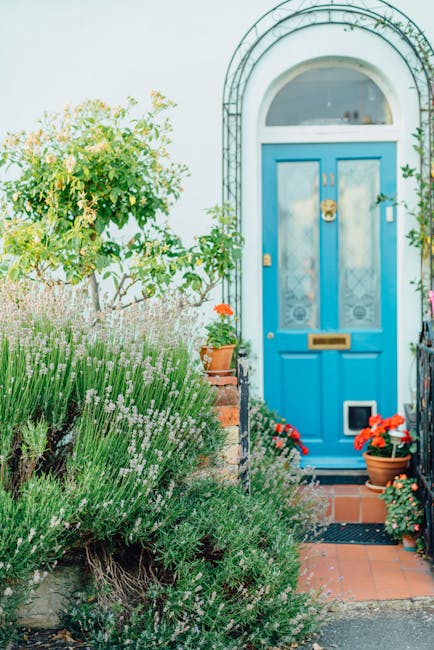
Gordon Road garden services Nunhead small front garden fixes: a practical guide for small spaces
If your front garden is looking tired, cramped, or just a bit unloved, you are not alone. Small front gardens in Nunhead often need thoughtful, low-disruption fixes rather than a full redesign. That is exactly where Gordon Road garden services Nunhead small front garden fixes comes in: focused improvements that make the space look sharper, feel tidier, and work better day to day.
In a small frontage, every choice matters. A messy edge is noticed. A patchy lawn feels bigger than it is. A hedge that has outgrown its welcome can block light and make the whole place feel boxed in. The good news? Most front garden problems are fixable without turning the place upside down. This guide walks you through what small front garden fixes usually involve, how the work is approached, what to avoid, and how to decide whether you need simple maintenance or a more complete refresh.
For homeowners on or near Gordon Road, the aim is usually straightforward: improve kerb appeal, reduce hassle, and keep the garden easy to maintain. Truth be told, that is often the sweet spot. Not flashy. Just clean, neat, and welcoming.
Table of Contents
- Why Gordon Road garden services Nunhead small front garden fixes Matters
- How Gordon Road garden services Nunhead small front garden fixes Works
- Key Benefits and Practical Advantages
- Who This Is For and When It Makes Sense
- Step-by-Step Guidance
- Expert Tips for Better Results
- Common Mistakes to Avoid
- Tools, Resources and Recommendations
- Law, Compliance, Standards, or Best Practice
- Options, Methods, or Comparison Table
- Case Study or Real-World Example
- Practical Checklist
- Conclusion
- Frequently Asked Questions
Why Gordon Road garden services Nunhead small front garden fixes Matters
Small front gardens carry a surprising amount of visual weight. They are the first thing neighbours, visitors, and delivery drivers notice, and in a street like Gordon Road, they help set the tone for the whole property. A front garden does not have to be perfect, but it should feel intentional. That little bit of order changes how the house reads from the pavement.
In practical terms, small front garden fixes matter because they solve the problems people actually live with: overgrown shrubs that swallow the path, weeds pushing through gravel, broken edging, tired pots, soggy soil, and patchy planting that never seems to settle. These are the kinds of issues that build up slowly. One day it is a minor annoyance; three months later it is all you can see when you open the curtains.
There is also the functional side. A compact front garden often needs to do more than just look nice. It may need to preserve a clear path to the door, keep bins from dominating the view, leave enough room for bikes or prams, and deal with shade, wind, or foot traffic. Good front garden work respects all of that. It does not fight the space; it works with it.
Small front gardens are rarely transformed by one dramatic gesture. Usually, it is a sequence of tidy, sensible fixes that make the whole place feel calmer and more cared for.
For local homeowners, another reason this matters is maintenance. A small front garden should be easy to keep under control once it has been put right. If a fix creates extra chores, it probably is not the right fix. That is where well-planned garden maintenance and neat structural decisions make a real difference. You can also explore the wider garden maintenance service if you want ongoing help rather than a one-off tidy-up.
How Gordon Road garden services Nunhead small front garden fixes Works
Small front garden work usually starts with a quick assessment. What is actually going wrong here? Is the issue mainly weeds, poor planting, a blocked entrance, uneven edges, or a layout that feels awkward? In our experience, the answer is often a mix of two or three things rather than one dramatic fault.
A good approach begins with clearing, then refining, then improving. That sequence matters. If you start adding plants before the site is clean and defined, the space can end up looking busier, not better. If you trim and edge first but ignore soil health, the result may look neat for a week and then fade. So the work tends to unfold in stages.
For a small front garden, the main jobs often include:
- removing weeds and self-seeded clutter
- cutting back shrubs, hedges, or climbers that are out of scale
- neatening borders and edge lines
- refreshing mulch, bark, or gravel where needed
- repairing tiny problem spots in lawn or paving interfaces
- replacing weak planting with compact, reliable alternatives
- making the entry path feel open and welcoming
Some gardens only need a tidy and reset. Others need light landscaping, better planting structure, or surface cleaning. If the frontage includes a paving area or step, a supporting patio cleaning service can make the entrance look much fresher without any major building work.
There is also a design angle. Small front gardens often respond well to repeat planting, simple shape, and restrained colour. Busy, mixed planting can look charming in a larger back garden, but in a narrow front space it can feel a bit fussy. Less noise, more clarity. That usually wins.
Key Benefits and Practical Advantages
When small front garden fixes are done properly, the benefits are immediate. Some are obvious, some are more subtle, and the best work tends to deliver both. You see the difference from the pavement, but you also feel it every time you come home.
- Better kerb appeal: Neat borders, trimmed growth, and balanced planting make the whole property look more cared for.
- Less day-to-day hassle: A properly simplified space is easier to keep tidy, which is a big win in a small garden.
- Improved access: Clear paths and better layout make the front door area safer and easier to use.
- More light and space: Cutting back oversized planting can open the garden up visually.
- Lower maintenance pressure: Thoughtful plant choices reduce the amount of pruning, deadheading, and rescue work later on.
- Better first impression: That matters whether you are staying put or planning to sell in future.
There is a quieter benefit too: a sense of relief. That nagging, unfinished corner stops bothering you. You know the one. It catches your eye every time you leave the house and makes you mutter, "I really should sort that." Once it is done, the front of the property feels lighter, somehow.
If the garden is dominated by bare ground and weeds, a smart planting layer can make maintenance much more forgiving. For ideas, the guide on beautiful ground covers is a useful place to start. Ground cover planting can reduce exposed soil, soften edges, and cut down on the constant battle with unwanted growth.
Who This Is For and When It Makes Sense
This kind of work suits a wide range of homeowners, but it is especially useful if your front garden is small, awkward, and easy to neglect. That is not a criticism, by the way. Small gardens are often the hardest to keep balanced because there is nowhere for clutter to hide.
You may benefit from front garden fixes if:
- your entrance looks untidy even after a quick sweep
- shrubs or hedges have outgrown the space
- your lawn is patchy or too small to justify heavy upkeep
- weeds keep returning around paving, borders, or gravel
- the garden feels dark, crowded, or closed in
- you want a low-maintenance front garden that still looks smart
- you are preparing a property for viewings, guests, or photos
It also makes sense if you have recently inherited a neglected frontage and do not want a full overhaul. The smartest first move is often a targeted reset. A bigger transformation can always come later. For heavier jobs, the neglected garden overhaul guide gives a good sense of how a more ambitious recovery is typically approached.
On the other hand, if the garden already has a clear structure and is just in need of routine upkeep, a maintenance visit may be enough. Not every front garden needs design changes. Sometimes the answer is simply a clean-up, a prune, and a little breathing room.
Step-by-Step Guidance
Here is a practical, sensible way to tackle small front garden fixes without overcomplicating the job.
- Start with a proper look. Walk to the pavement and look back at the garden as a whole. What stands out first? That is usually the problem area.
- Remove the obvious clutter. Dead pots, broken canes, weeds, fallen leaves, loose rubbish, and anything that makes the space feel crowded should go first.
- Cut back overgrowth. Trim shrubs and hedges to suit the scale of the frontage. In a small space, a few centimetres can make a surprisingly big visual difference.
- Define the edges. Sharp border lines and tidy path edges instantly make a garden feel more deliberate.
- Check the surface. Look for moss, slippery patches, compacted soil, or gravel areas that need levelling. If paving is part of the entrance, cleaning it can help a lot.
- Rework planting for scale. Choose compact plants that do not swallow the space. Repetition usually works better than too many different species.
- Add one simple feature. A pot, low evergreen, or narrow seasonal planter can lift the whole frontage without making it feel busy.
- Set up an easy maintenance routine. If the fix is good, keeping it tidy should feel manageable, not endless.
If hedges are part of the problem, especially near the boundary or entrance line, a dedicated hedge trimming service in Nunhead can restore shape quickly and safely. This is one of those jobs that looks simple until you are standing with the tools in your hand. Then, well, it gets fiddly.
In small front gardens, the order of work matters as much as the work itself. Clear, then shape, then plant. Not the other way around.
Expert Tips for Better Results
Over the years, a few patterns show up again and again. The best results usually come from restraint and consistency rather than lots of separate ideas fighting for attention.
Keep the plant palette tight
Choose a small number of plants and repeat them. That creates calm, especially in narrow or shallow front gardens. Repetition feels deliberate. Randomness often does not.
Use evergreens for structure
Evergreen shrubs, low hedging, and shade-tolerant plants hold the garden together through winter and early spring, when the space can otherwise feel bare. If your frontage is darker than you would like, the article on shade-loving evergreens offers useful plant direction.
Do not fight the site
If the garden is windy, dry, or shaded, work with those conditions. A front garden near an open street can get blasted by wind more than people expect. There are useful pointers in managing garden wind, which is worth reading if your planting keeps getting battered.
Think about seasons, not just summer
A frontage that looks great for six weeks and flat for the rest of the year is not ideal. Aim for year-round order: structure in winter, texture in spring, and reliable colour in the warmer months. A mix of small evergreens, tidy edging, and one or two seasonal accents is usually enough.
Leave enough breathing room
This is a big one. In a small garden, overcrowding is easy. Leave gaps around paths, steps, and doors. Let the eye move. Let the place breathe a bit.
If you are interested in a low-effort way to keep things smart, the advice in budget-friendly low-maintenance gardens is very relevant. Low maintenance does not mean boring. It means planned.
Common Mistakes to Avoid
Small front gardens are full of traps for well-meaning owners. Most of them are easy to avoid once you know what to look for.
- Planting too much: A cramped space gets even tighter when every corner is filled.
- Choosing plants that grow too large: Lovely in the nursery, awkward six months later.
- Ignoring edges and borders: Sloppy lines make a garden look unfinished, even if the planting is good.
- Using too many materials: Gravel, bark, paving, stones, and ornaments all at once can look confusing.
- Forgetting maintenance access: If you cannot reach the bed properly, upkeep becomes a chore.
- Skipping soil prep: Plants struggle if the base layer is poor or compacted.
- Overlooking drainage problems: Persistent puddling or soggy corners need attention before planting.
Another common issue is trying to solve a structural problem with decoration. A new pot will not fix poor edging. A bright flower will not hide a muddy approach. Sometimes the honest fix is to remove something, not add another thing on top.
And yes, this includes the too-small hedge that has somehow become a wall. We have all seen one. It starts as "just a little trim" and ends with half the doorway disappearing.
Tools, Resources and Recommendations
You do not need a truck full of gear to improve a small front garden, but the right tools make the work cleaner and faster. If you are doing light upkeep yourself, these basics help a lot:
- sharp secateurs for pruning small stems
- hedge shears or a trimmer for shaping
- a border spade or half-moon edging tool
- gloves with a decent grip
- a stiff broom for paths and steps
- a hand fork for weeding and soil work
- a watering can or hose for freshly planted areas
For a fuller overview of practical equipment, the guide to top gardening tools every enthusiast must own is a sensible companion read.
On the planting side, front gardens often benefit from compact evergreens, low ground covers, shade-tolerant choices, or neat container planting. If your frontage is especially small, containers can be a very tidy solution because they define shape without taking over the soil. The piece on container gardening is particularly useful if you want flexibility.
For those who like a more natural, edible touch, a small herb border or a pair of pots near the entrance can work well too. The article on a beautiful herb garden for all seasons is a good fit if you want something attractive and practical.
Law, Compliance, Standards, or Best Practice
For most small front garden fixes, the main compliance issue is simple: do the work safely, avoid creating hazards, and respect boundaries. If a hedge, tree, or overgrown plant sits close to a path, pavement, or neighbour's boundary, sensible care is important. That includes avoiding damage, keeping access clear, and checking what belongs to which property before cutting.
In the UK, local gardening work should also follow ordinary health and safety best practice. That means using suitable protective gear, handling tools properly, checking for slip risks, and being careful with ladders or powered equipment. It sounds obvious, but this is where a lot of DIY jobs go sideways.
For anything involving trees, large branches, awkward height, or boundary disputes, caution is especially wise. A qualified approach is usually the safest route. If the front garden includes woody growth that has got beyond simple pruning, the tree surgery service may be more appropriate than casual cutting.
There is also a practical standard to think about: keep paths usable. A front garden should not create trip hazards, block the entrance, or hide steps and edges. If you are ever unsure, take the simple route. Safety first, pretty second. Preferably both, of course.
For broader reassurance on how work is handled, it can help to review the site's health and safety policy and insurance and safety information. These pages are useful trust signals when you are comparing service options or planning work that involves tools, access, or heavier garden tasks.
Options, Methods, or Comparison Table
Not every front garden needs the same type of fix. Sometimes a trim and tidy are enough. Sometimes you need planting changes or surface work. Here is a simple comparison to help you think it through.
| Method | Best for | What it solves | Typical effort |
|---|---|---|---|
| Tidy-up and pruning | Gardens that look messy but structurally fine | Overgrowth, untidiness, blocked lines of sight | Low to moderate |
| Weed control and edging | Small fronts with gravel, borders, or path edges | Messy boundaries, recurring weeds, poor definition | Low to moderate |
| Replanting and simplification | Spaces with tired or overcrowded planting | Visual clutter, maintenance overload, weak seasonal interest | Moderate |
| Surface refresh | Gardens with paved or gravel entrances | Staining, moss, dull first impression | Moderate |
| Small-scale landscaping | Gardens needing layout improvement | Awkward flow, poor access, lack of structure | Moderate to higher |
If the problem is mainly the hard surface rather than the planting, a broader landscaping approach may make more sense. If there is already a decent structure in place, a focused lawn care or front-garden maintenance visit could be enough. Choosing the lightest effective option is often the smartest call.
Case Study or Real-World Example
Here is a realistic example. A compact front garden on a residential street in Nunhead had a narrow path, two overgrown shrubs by the window, patchy soil near the gate, and a couple of tired pots that had become, frankly, little dust collectors. Nothing dramatic. Just enough to make the house feel less cared for than it actually was.
The fix started with clearing weeds and removing the dead material. Then the shrubs were reduced to a more appropriate size so they did not press into the path or block the light. The border was edged cleanly, the soil level was tidied, and the planting was simplified to a small evergreen base with one seasonal feature near the entrance. A light surface clean helped the path look brighter too.
The result was not a magazine makeover. It did not need to be. The frontage looked open, calm, and easy to maintain. The homeowner could water it quickly, sweep it in a minute, and stop worrying about the garden appearing messy every time the curtains were opened.
That is the real value of small front garden fixes. They often do not shout. They just quietly make daily life better.
If the wider property has a lot of visual clutter, a service like garden maintenance can keep the overall standard consistent rather than treating the front as a one-off special case.
Practical Checklist
Use this checklist if you are planning a small front garden refresh and want to keep the job focused.
- Walk the frontage from the pavement and identify the main problem area.
- Remove dead plants, broken pots, and general clutter.
- Pull weeds from borders, paths, and gravel areas.
- Trim hedges and shrubs back to a sensible size.
- Check whether the path, step, or entrance looks clear and safe.
- Edge borders so the garden has a defined shape.
- Refresh tired soil, mulch, or gravel where required.
- Choose compact, reliable plants that suit the available light.
- Keep the design simple enough to maintain easily.
- Decide whether you need a one-off tidy or ongoing maintenance.
Expert summary: If a small front garden is starting to feel overwhelming, do less, but do it well. Clean lines, restrained planting, and regular maintenance almost always beat a crowded, high-effort design that looks tired after two weeks.
Get a free quote today and see how much you can save.
Conclusion
Small front garden fixes are often more powerful than people expect. A tidy entrance, a clearer border, or a better-shaped shrub can change how the whole house feels. On Gordon Road and across Nunhead, that matters because front gardens are part of the street's character as much as the property's first impression.
The best results come from practical choices: clear away clutter, restore shape, improve access, and choose planting that fits the space rather than fighting it. That is what makes a front garden look settled, not staged. And settled is good. Very good, in fact.
If you are unsure where to start, begin with the simplest visible issue and work outward from there. A small, well-executed fix can be enough to change the whole mood of the frontage. Sometimes that is all a garden needs. A bit of care. A bit of order. Nothing flashy, just right.
And if the garden has been bugging you for a while, there is no shame in getting help. Sometimes the nicest thing you can do for a small space is let someone sort the fiddly bits while you enjoy the result.
Frequently Asked Questions
What counts as a small front garden fix?
A small front garden fix usually means targeted work such as pruning, weeding, edging, tidying borders, refreshing surfaces, or simplifying planting. It is about improving the look and function of the space without a full redesign.
How often should a small front garden be maintained?
That depends on the planting and exposure, but many front gardens benefit from light attention every few weeks and a more thorough tidy seasonally. Busy streets or fast-growing hedges may need attention more often.
Can a small front garden still look good with very little planting?
Yes, absolutely. A small frontage can look excellent with a restrained design, especially if the edges are clean and the planting is purposeful. Too much planting can make the space feel smaller.
What is the best way to make a narrow front garden feel bigger?
Use clear lines, reduce clutter, and avoid overfilling the borders. Repeating a few plants, keeping hedges clipped, and opening up the entrance can all help the space feel wider.
Do I need landscaping or just maintenance?
If the structure is fine and the issue is mostly mess, overgrowth, or weeds, maintenance may be enough. If the layout is awkward, drainage is poor, or access is difficult, light landscaping may be the better option.
What plants work well in a small front garden in Nunhead?
Compact evergreens, shade-tolerant plants, low ground cover, and tidy container planting often work well. The right choice depends on sunlight, wind, soil, and how much upkeep you want.
Is hedge trimming part of front garden fixing?
Very often, yes. Hedges can dominate a small frontage quickly. A sensible trim can improve light, restore proportions, and make the whole entrance feel more open.
How do I stop weeds coming back so fast?
You cannot stop every weed forever, but you can reduce them by improving edging, keeping surfaces clean, mulching bare soil, and staying on top of the first new growth before it settles in.
Are front garden fixes suitable for a property that is being sold?
Yes. A neat, low-maintenance front garden can improve first impressions and make the property feel better cared for. Keep the work simple and polished rather than overly personalised.
Can small front garden work be done without disturbing neighbours?
Usually, yes. Good planning helps keep noise, mess, and access disruption to a minimum. If larger tools or access are involved, it is sensible to keep the process tidy and respectful.
What should I ask before booking garden help?
Ask what is included, whether waste removal is covered, how access will work, and whether the job is a one-off or part of a maintenance plan. It is also wise to ask about safety and insurance arrangements.
How do I get a price for small front garden fixes?
The simplest route is to request a quote after a brief description or site visit. The final cost usually depends on the size of the space, the level of overgrowth, and whether the job involves pruning, cleaning, planting, or light landscaping. You can also review pricing and quotes before making a decision.
Where can I learn more about the wider services available?
It helps to look at the broader gardening services overview and the company's about us page if you want background on how the work is approached. If you are ready to talk through your own frontage, the easiest next step is to use the contact page.
What if I want a safer garden because of children or pets?
Then it is worth thinking about layout, materials, and plant choice together. Clear paths, non-slip surfaces, and well-placed planting can make a big difference. The guides on child-friendly garden spaces and gardening safely with your canine companion are helpful if safety is part of the brief.